Community
Students Are Helping Build HistoryQuest
High school volunteers contribute to the project while helping us understand how teenage learners respond to its subject and design.
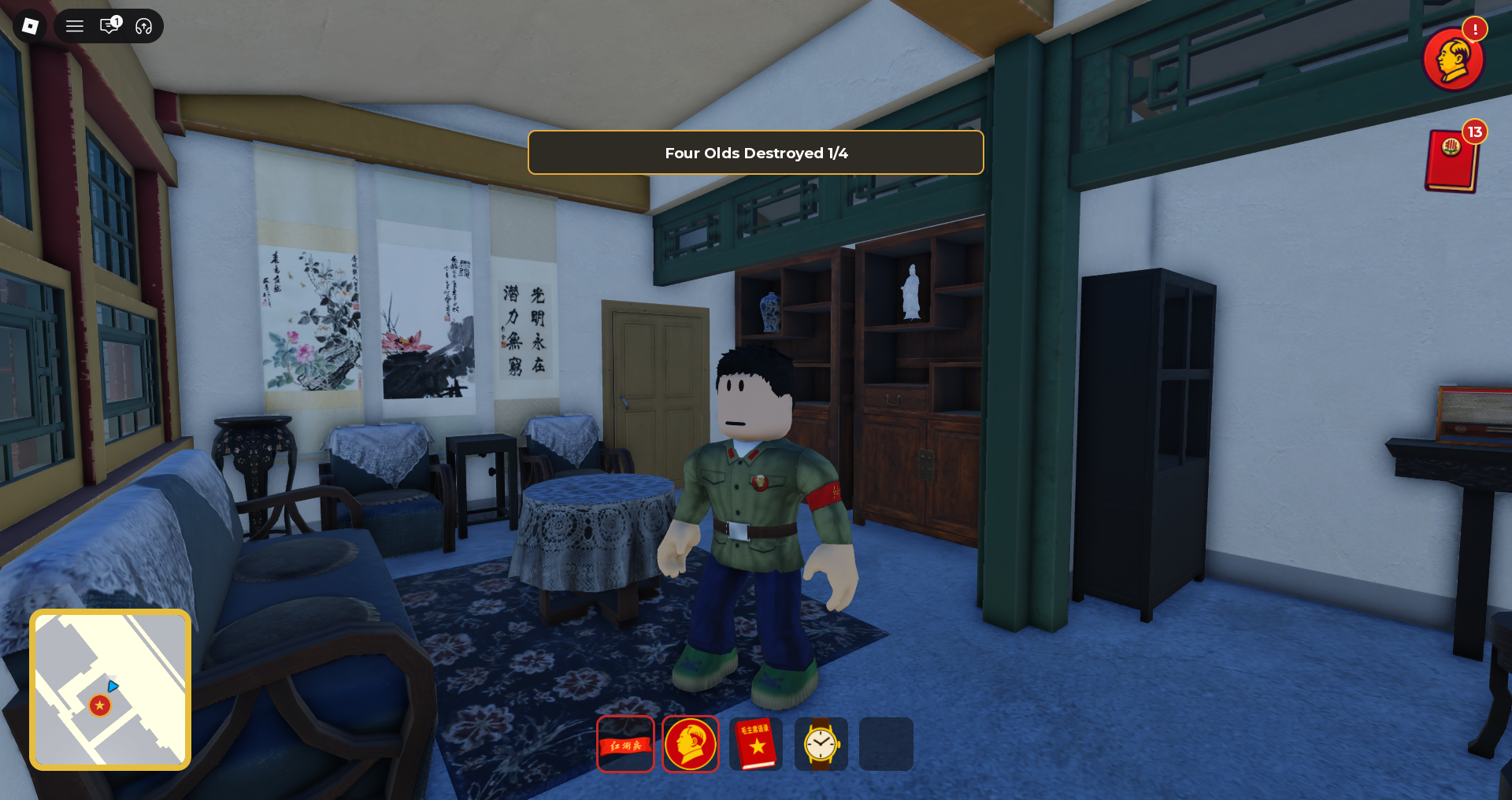
Teenagers are the primary audience for One Afternoon in Red August 1966. We therefore believe they should have a meaningful role in shaping the project, not appear only at the end as test participants.
HistoryQuest has formed a high school student committee with volunteers from the Chicago area and beyond. Under the guidance of professional game developers and adult mentors, students contribute to historical research, writing, scripting, game design support, art-related tasks, and playtesting.
Their work serves two purposes. First, students complete real assignments that contribute to the developing experience. Historical research can inform an interactive object or journal entry. Writing can help shape dialogue and mission context. Testing can identify unclear instructions, confusing interfaces, or moments where the intended meaning fails to reach the player.
Second, student participation gives our adult team access to perspectives we cannot generate on our own. Young volunteers can tell us which explanations feel overly academic, which interactions attract attention, and which design choices create unintended reactions. Their feedback is especially important because the game asks players to approach a sensitive history through the viewpoint of people close to their own age.
The committee also creates an opportunity to learn by doing. Students encounter history through concrete problems: deciding whether a source is reliable, translating research into clear language, considering the consequences of a design choice, or explaining why an object matters. Their work connects history with game design, writing, art, and ethical reasoning.
Adult mentorship remains essential. The Cultural Revolution is a complex and traumatic subject. We do not ask students to handle sensitive material without context or support, and professional developers retain responsibility for the final design. As the project grows, guidance from teachers, historians, and people with lived experience will help us strengthen this process.
We hope this committee can become a lasting part of HistoryQuest's model. Future projects could give students opportunities to research other historical periods, contribute to educational media, and help evaluate whether an experience speaks meaningfully to their peers.
HistoryQuest exists to make history more accessible to young people. Inviting them into the development process helps keep that mission grounded in the people we hope to serve.